Chronic stress is affecting your hormone health
Did you know that stress could be impacting your hormone health, resulting in lots of different symptoms, from irregular periods to mood swings, from fatigue to reduced libido or fertility issues and perimenopausal symptoms? This blog explores why this is happening and some simple tips on reducing the impact on your health.
Iona Reading
12/1/2024
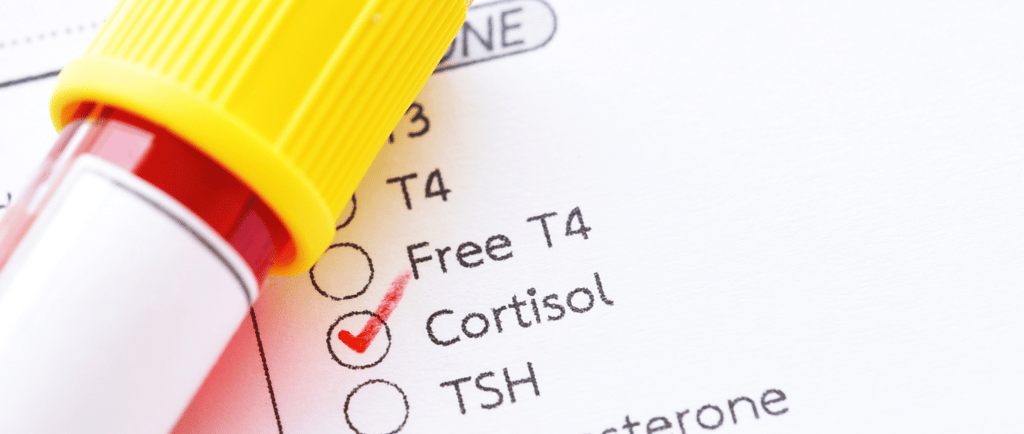
If you're unsure what hormones are, you're not alone! Hormones are chemical messengers the body produces to regulate different physiological processes and maintain homeostasis—or balance—necessary for optimum health. They are produced by various glands and organs within our body and then released into our bloodstream to target specific tissues or other organs that regulate our bodily functions, such as metabolism, growth, sexual function, fertility, and mood.
There are different types of hormones
Steroid hormones from cholesterol are made in the adrenal cortex, gonads, and placenta and include sex hormones such as oestrogen, progesterone, and testosterone.
Peptide hormones comprise amino acid chains, including insulin, prolactin and oxytocin.
Amine hormones come from modifying amino acids, including dopamine, epinephrine, and thyroxine.
Hormones do not work in isolation; they work together in a highly choreographed manner to balance the body's systems. However, chronic stress can negatively impact this balance due to a cascade of hormonal changes.
The stress response and hormones
When faced with threats in our environment, the hypothalamic-pituitary-adrenal (HPA) axis is activated, releasing several hormones. The primary stress hormone, cortisol, is produced by the adrenal glands in response to messages from the brain. Cortisol plays an essential role in various bodily functions. However, prolonged elevation can disrupt the delicate balance of other hormones.
In addition to cortisol, several other hormones are released during the stress response, each uniquely preparing the body to deal with challenges:
Epinephrine (Adrenaline)
Source: Released by the adrenal medulla as part of the sympathetic-adreno-medullar (SAM) axis.
Role: Epinephrine is a key player in the "fight-or-flight" response. It increases heart rate, blood pressure, and blood flow to skeletal muscles, ensuring the body is ready for quick action. It also promotes glucose release into the bloodstream for immediate energy and enhances alertness and focus.
Norepinephrine (Noradrenaline)
Source: Secreted by both the adrenal medulla and sympathetic nerve endings.
Role: Norepinephrine works alongside epinephrine to maintain vigilance and concentration. It helps constrict blood vessels, raises blood pressure, and directs blood flow away from non-essential systems like digestion toward vital organs and muscles.
Growth Hormone (GH)
Source: Released by the anterior pituitary gland.
Role: Stress-induced growth hormone secretion mobilises energy by promoting lipolysis (fat breakdown) and gluconeogenesis (glucose production). This ensures the body has sufficient energy reserves during prolonged stress. However, the downside is that elevated CH can lead to insulin resistance and metabolic imbalances over time.
Corticotropin-releasing hormone (CRH)
Source: Released by the hypothalamus.
Role: CRH initiates the stress response by stimulating the pituitary gland to release adrenocorticotropic hormone (ACTH), which subsequently triggers cortisol secretion from the adrenal glands. It also influences mood and behaviour during stress, increasing anxiety levels and sleep disturbances whilst depressing appetite.
Together, these hormones help the body adapt to short-term stressors by mobilising energy reserves, enhancing focus, and preparing for physical or mental challenges. However, constant activation of these systems can lead to health issues such as cardiovascular strain, insulin resistance, or hormonal imbalances.
Effects of chronic stress on hormones
Overproduction of cortisol: Chronic stress can lead to persistently high cortisol levels, which increases the likelihood of several health issues, including anxiety, depression, and weight gain.
Thyroid dysfunction: Stress can inhibit thyroid-stimulating hormone (TSH) secretion, potentially leading to thyroid imbalances.
Reproductive hormone disruption: High cortisol levels can suppress gonadotropin-releasing hormone (GnRH), decreasing the production of reproductive hormones like estrogen and testosterone.
Insulin resistance: Chronic stress may contribute to insulin resistance, increasing the risk of type 2 diabetes.
Growth hormone Imbalance: While acute stress can increase growth hormone levels, chronic stress may lead to deficiencies.
Signs of hormone imbalance
Hormonal imbalances can show up in a variety of ways, including:
Irregular menstrual cycles.
Weight gain or difficulty losing weight.
Mood swings, anxiety, or depression.
Fatigue and sleep disturbances.
Decreased libido.
Hair loss or thinning.
Tips to reduce stress and improve hormone health
Practice stress-reduction techniques:
You can try many different tools to see what works for you, from meditation and mindfulness to yoga and breathing exercises. Or simply heading out into nature and having some time away from our screens.
Prioritise movement:
Engaging in regular physical activity can help reduce stress and promote hormonal health. Find some form of exercise that you enjoy and your body can manage during this time. If you feel very stressed, prioritise low-impact movements such as yoga, walking or resistance work, as high-intensity workouts increase cortisol levels.
Prioritise whole foods:
A nutrient-rich diet with whole foods, such as colourful fruits and vegetables, whole grains, healthy fats, and protein, can support hormonal balance. Quick fixes, caffeine and sugar may be tempting, but resist—they can play havoc with your hormones!
Prioritise sleep:
Prioritise restful sleep with good sleep hygiene practices, as sleep deprivation can further exacerbate stress and cortisol imbalances. Try to go to bed and get up at the same time most days, aiming for 7-9 hours of sleep a night.
If sleep disruptions are unavoidable (babies and children, for example), consider incorporating more rest into your day to minimise the impact.
Nurture social connections:
Social connection is essential when we feel stressed, as being around friends and loved ones releases oxytocin (the love hormone) and can help bring a sense of calm and joy where it may be missing. Think about which people and activities give you energy and focus your attention there.
Set boundaries:
It is equally important to look at what saps your energy or adds to your stress levels and learn to say no to things so you avoid overextending yourself. Remember to prioritise self-care and relaxation so you're not constantly rushing from one thing to the next.
Get tested:
If you suspect hormonal imbalances or cortisol steal, speak to your GP about what tests are available for issues such as:
Menstrual health, including PCOS
Fertility
Perimenopause
Thyroid health
Pre-diabetes and type 2 diabetes
If there are imbalances, they may refer you to a specialist.
Work with a health coach:
As a health coach, I can work alongside a GP or specialist and support you as you address your hormone health and stress levels. Rather than looking at individual symptoms, I take a whole-life approach to the problem, exploring what is and isn't working in your life and where you'd like to make changes.
Together, we develop personalised strategies that help you create healthy habits in different areas of your life. These strategies are introduced at a pace that works for you and in a way that feels manageable.
You don't need to tackle everything at once. Making small, consistent changes to your daily habits can significantly reduce stress levels and improve your hormone health.
If you would like help reducing your stress levels, have concerns about your hormone health, and would like some support, I'd love to help you. Book a complimentary 30-minute Clarity Call today and take your first step toward lasting change. You deserve a life free from stress and hormonal imbalance.
Content Disclaimer
Whilst we have made every effort to ensure the contents of this article are accurate, the recommendations given are solely intended as information and education and should not be taken as medical advice. The author disclaims all liability in connection with the use of the information presented herein. Please seek advice from your doctor before starting any new health regime and consult a nutritional therapist or doctor for advice regarding specific medical conditions.
Glossary of health terms
Website terms and conditions
Privacy policy
© Triskelion Health Coaching 2024. All rights reserved.