
Feel better everyday: the proven benefits of a daily gratitude practice
Discover how a simple daily habit of practising gratitude can have a powerful impact on your life. Research shows that expressing gratitude can boost your mood, improve physical health, strengthen relationships, and help you manage stress more effectively. Whether you're looking for better sleep, stronger resilience, or a more optimistic outlook, this blog will show you how a few moments of thankfulness each day can make a huge difference.
Iona Reading
10/27/2024
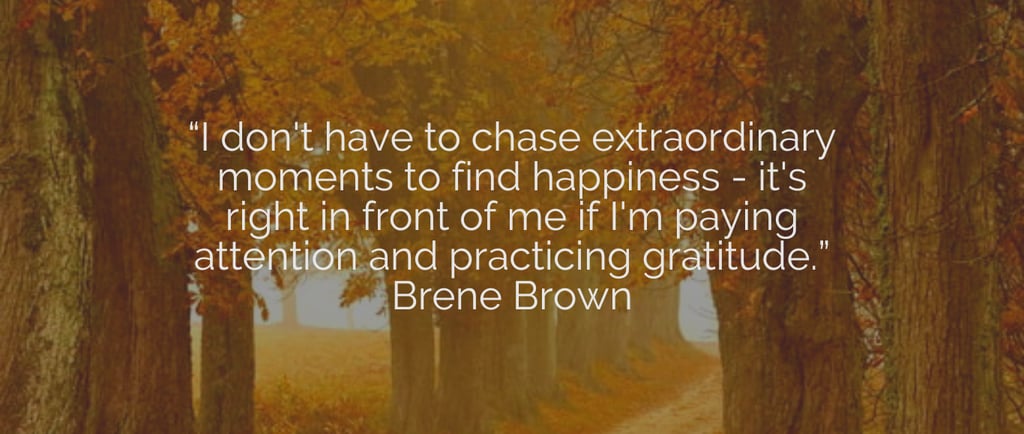

In a world that often feels like it’s pulling us in a million directions, finding a moment to pause, reflect, and feel grateful can make a big difference. But a daily gratitude practice isn’t just about good vibes—it's rooted in science with benefits for both mental and physical health. Let's explore how practicing gratitude daily can improve wellbeing and even transform lives.
Boosts emotional wellbeing
Did you know that a regular gratitude can enhance your overall happiness? Research has shown that people who practice gratitude consistently report higher levels of positive emotions, like joy, optimism, and contentment. Emmons and McCullough (2003) conducted a study examining the effects of a weekly gratitude journal on wellbeing. Compared to those who journaled about hassles or their daily life, people who kept a gratitude journal experienced:
More gratitude
More positive moods
Greater optimism about the future
Better sleep
This uplift in mood is due, in part, to gratitude encouraging us to focus on what we have rather than what we lack, creating a more positive mindset that makes us more resourceful.
Improves physical health
Gratitude doesn’t just impact the mind; it can have surprising physical benefits, too. People who engage in gratitude practices often report
fewer aches and pains
better sleep quality
stronger immune systems.
It makes sense if we think about this, as when we feel grateful we are less stressed, which can reduce our cortisol levels. Cortisol is a hormone that is linked to inflammation and various health issues. Plus, focusing on positive emotions makes it easier to choose other health-supporting activities, like exercising or eating well.
Enhances relationships
One of the best aspects of a having a regular gratitude practice is that the benefits extend beyond ourselves. Expressing gratitude toward others strengthens relationships by fostering a deeper sense of connection and appreciation. Studies show that people who regularly express gratitude
feel more satisfied with their relationships
report better communication
experience a stronger bond
Creating new habits is always easier if we have someone to keep us accountable. Knowing the benefits a regular gratitude practice can have on your relationships, why not speak to the people in your life and get them to join you as you build this new habit!
Reduces stress and improves resilience
Practising gratitude every day can help us navigate life’s inevitable ups and downs. When we regularly acknowledge what we’re grateful for, it becomes easier to cope with stressful situations. Gratitude promotes a growth mindset and encourages us to find meaning in challenges, making it easier to build resilience. In fact, people who regularly practice gratitude often exhibit lower levels of depression and anxiety, thanks to the habit’s ability to encourage positive thinking and a balanced perspective.
Encourages better sleep
Sleep is a cornerstone of health, and gratitude can play a surprisingly helpful role in improving our sleep quality. By focusing on the positive aspects of the day and things we’re grateful for before bed, we can replace stressful thoughts with peaceful ones. This shift in our mental focus can calm our mind and help us fall asleep faster and stay asleep for longer. A 2009 study (found that participants who wrote down things they were thankful for before bed experienced better sleep quality and reported feeling more refreshed upon waking.
Starting your gratitude practice
Starting a gratitude practice doesn’t have to be time consuming or complicated. Here are some easy ways to incorporate gratitude into your daily routine:
Keep a gratitude journal: Set aside a few minutes each day to write down three things you’re thankful for. The process of writing can make the experience more intentional and impactful.
Express gratitude to others: Take a moment to tell someone why you’re thankful for them. It could be a message, a phone call, or even a handwritten note.
Reflect before bed: Spend a few quiet moments before sleep reflecting on the positive aspects of your day, helping you unwind and focus on the good in your life.
By making gratitude a daily habit, you can experience the science-backed benefits for both your mental and physical health. Over time, this simple practice can shift your perspective, making each day feel more meaningful, connected, and joyful. What's not to love?
Not sure where to start?
Download our free 30-day gratitude challenge handout to help get you started - why not invite your friends and family to join you and share your grateful moments each day?
If you'd like help creating healthy habits that support your physical and emotional health and wellbeing, I invite you to Book a complimentary 30-minute Clarity Call with me today and take your first step toward lasting change. You deserve a life where your habits work for you, not against you.
References:
Algoe, S. B., Gable, S. L., & Maisel, N. C. (2010). It’s the little things: Everyday gratitude as a booster shot for romantic relationships. Personal Relationships, 17(2), 217-233. doi:10.1111/j.1475-6811.2010.01273.x
Emmons RA, McCullough ME. Counting blessings versus burdens: an experimental investigation of gratitude and subjective well-being in daily life. J Pers Soc Psychol. 2003 Feb;84(2):377-89. doi: 10.1037//0022-3514.84.2.377. PMID: 12585811.
Emmons RA, Stern R. Gratitude as a psychotherapeutic intervention. J Clin Psychol. 2013 Aug;69(8):846-55. doi: 10.1002/jclp.22020. Epub 2013 Jun 17. PMID: 23775470.
Lambert NM, Clark MS, Durtschi J, Fincham FD, Graham SM. Benefits of expressing gratitude: expressing gratitude to a partner changes one's view of the relationship. Psychol Sci. 2010 Apr;21(4):574-80. doi: 10.1177/0956797610364003. Epub 2010 Mar 5. PMID: 20424104.
Ramírez E, Ortega AR, Chamorro A, Colmenero JM. A program of positive intervention in the elderly: memories, gratitude and forgiveness. Aging Ment Health. 2014 May;18(4):463-70. doi: 10.1080/13607863.2013.856858. Epub 2013 Nov 14. PMID: 24229346.
Wood AM, Froh JJ, Geraghty AW. Gratitude and well-being: a review and theoretical integration. Clin Psychol Rev. 2010 Nov;30(7):890-905. doi: 10.1016/j.cpr.2010.03.005. Epub 2010 Mar 20. PMID: 20451313.
Wood AM, Joseph S, Lloyd J, Atkins S. Gratitude influences sleep through the mechanism of pre-sleep cognitions. J Psychosom Res. 2009 Jan;66(1):43-8. doi: 10.1016/j.jpsychores.2008.09.002. Epub 2008 Nov 22. PMID: 19073292.
Content Disclaimer
Whilst we have made every effort to ensure the contents of this article are accurate, the recommendations given are solely intended as information and education and should not be taken as medical advice. The author disclaims all liability in connection with the use of the information presented herein. Please seek advice from your doctor before starting any new health regime and consult a nutritional therapist or doctor for advice regarding specific medical conditions.
Glossary of health terms
Website terms and conditions
Privacy policy
© Triskelion Health Coaching 2024. All rights reserved.