
Why eat 30 different plants a week?
Discover the powerful benefits of eating 30 different plants each week. This article explains how a diverse plant-based diet boosts gut health, strengthens immunity, and enhances overall wellbeing. With easy tips to add variety, achieving this goal can transform your health from the inside out.
Iona Reading
11/11/2024
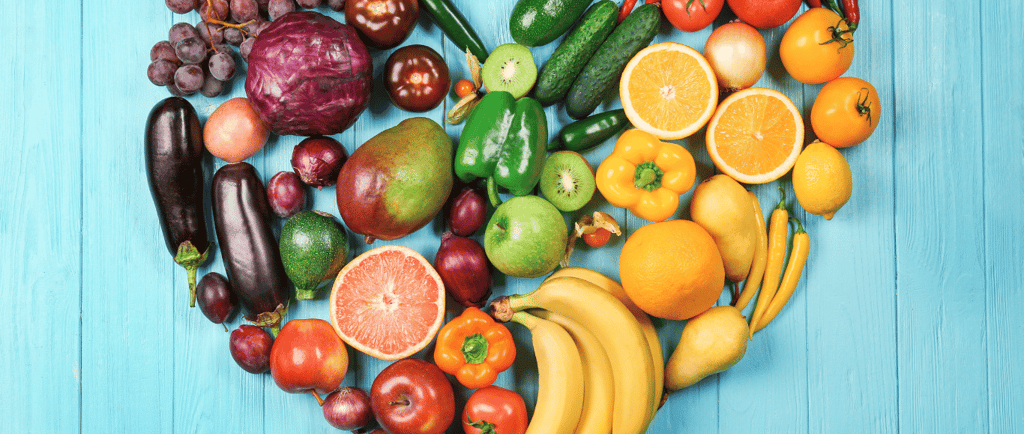
In the world of health and wellness, it’s easy to get swept up in fad diets and weird trends (cabbage soup diet anyone). However, one approach to eating is gaining scientific attention for its simplicity and powerful health benefits: consuming 30 different types of plants each week.
If that sounds like a lot, think again! It is more achievable than you might imagine—and the positive impact on your gut health, immune system, and overall wellbeing makes it well worth the effort. Let’s break down why this goal of 30 different plants a week is worth adding to your routine and how you can start today.
The science behind the “30 plant” goal
The “30 plants a week” idea came from the American Gut Project, a study that analysed the diets and gut microbiome profiles of more than 10,000 participants from the USA, UK and Australia. The results found that those individuals who ate a wider variety of plants (30 or more per week) had a more diverse gut microbiome. This diversity in 'good' gut bacteria has been linked to numerous health benefits, including better immune function, improved mental health, and even protection against chronic diseases like type 2 diabetes, obesity, and cardiovascular disease.
Why gut health is essential for overall health
Your gut is home to trillions of microbes that play crucial roles in digestion, nutrient absorption, immune function, and even brain health. A balanced gut microbiome supports:
Enhanced digestion and nutrient absorption: A diverse gut microbiome aids digestion and allows your body to extract more nutrients from the food you eat.
Immune system strength: Approximately 70% of the immune system is housed in the gut, where a healthy microbiome can fend off harmful pathogens.
Mental health: The “gut-brain axis” is a communication network linking your gut and brain, where gut health impacts mood, cognition, and mental clarity. Did you know, serotonin, the “feel-good” hormone, is largely produced in the gut?
Weight management: Certain gut bacteria are linked to metabolism and may influence body weight and fat distribution.
By aiming to eat a diverse range of plants each week, you provide food for these beneficial bacteria.
Variety is key, because each type of plant offers unique fibers, vitamins, minerals, and phytochemicals—plant compounds that support various bodily functions. So, by eating a range of plants you are essentially feeding the different bacteria in your gut the foods they need to thrive, and support your overall health and wellbeing. Just like in nature, where a diverse ecosystem is more resilient; a diverse microbiome is a foundation for strong, adaptable health.
What counts as a plant?
If you're feeling a little overwhelmed by just how you're going to get 30 plants into your diet, fear not! It is more straightforward than you think. Every type of fruit, vegetable, herb, grain, legume, nut, and seed counts! Here’s a quick breakdown:
Vegetables: Aim for a wide range of colours and types, from leafy greens (spinach, kale) to cruciferous veggies (broccoli, cauliflower) to root vegetables (carrots, beetroot) and colourful vegetables (aubergine, peppers).
Fruits: All fruit counts, apples, berries, bananas, citrus fruits, and tropical fruits.
Grains: Swap out refined grains like white rice, couscous for brown rice, whole grain couscous. Try some new whole grains, quinoa, pearl barley, bulgur wheat, spelt, farro, and millet for extra fiber.
Legumes: Beans, lentils, chickpeas, broad beans and peas are nutrient-dense, fiber-rich plant foods.
Nuts and seeds: Include a variety of nuts (walnuts, almonds, brazil nuts) and seeds (chia, flax, pumkin) for health fats and fiber.
Herbs and spices: Basil, coriander, parsley, turmeric, and ginger are nutrient-rich flavour-bombs that count toward your weekly total.
Health benefits of eating 30 plants or more weekly
It's easy to get stuck in a rut of eating the same fruit and veggies each week. However, there are real healht benefits for mixing it up, including:
Reduce inflammation: Different plants contain anti-inflammatory compounds like polyphenols and flavonoids, which protect against cellular damage and chronic inflammation.
Support heart health: Fiber-rich foods like legumes, whole grains, and vegetables help reduce cholesterol and support cardiovascular health.
Regulate blood sugar: Foods high in fiber, such as legumes, nuts and seeds, help slow glucose absorption, stabilising blood sugar levels.
Improve longevity: Studies indicate that diverse fiber intake can contribute to a longer, healthier life by reducing risks of chronic diseases.
Tips to Reach Your 30 Plant Goal
If hitting 30 plants sounds daunting, here are some simple strategies to get started:
Prioritise plants: Make soups, salads, grain bowls and stir-fries loaded with a variety of fruit, vegetables, legumes, herbs and spices and sprinkle some nuts and seeds on top.
Try something new: Try adding a new fruit or vegetable each week. Swap your usual leafy greens for a new variety or add a fruit, veg or herb you've not tried before to your basket.
Mix and match grains: Rotate between different grains like quinoa, pearl barley, and bulgur wheat.
Experiment with herbs and spices: Fresh herbs and dried spices add depth to meals and contribute to your plant count. Try adding mint to a smoothie, coriander and basil to salads, or turmeric, cumin and paprika to roasted vegetables.
Plan plant-based snacks: Include nuts, seeds, fruits, or veggie-based dips like hummus in your snacks.
Go for frozen: If you're worried about food waste, add bags of frozen berries, spinach and kale to your shopping list
Sample 3-day meal plan to get you started
To give you an idea of how to reach 30 plants per week, here’s a 3 day plan that includes balanced meals:
Day 1
Breakfast: Overnight oats with chia seeds, blueberries, and walnuts (4 plants)
Lunch: Soup with red split lentils, onion, garlic, celery, tin of tomatoes, chilli, paprika and coconut (8 plants)
Snack: Hummus with carrot sticks (3 plants)
Dinner: Chicken or tofu stir-fry with broccoli, red and yellow bell peppers, carrots, and sugar snap peas and quinoa (5 plants)
Day 2
Breakfast: Smoothie with banana, frozen spinach, frozen mixed berries (raspberries, red currants, black currants) and peanut butter (6 plants)
Lunch: Wrap with hummus, shredded carrots, red cabbage, avocado, rocket, coriander and mint (8 plants)
Snack: Trail mix with sultanas, coconut flakes and brazil nuts (3 plants)
Dinner: Chilli with black beans, kidney beans, mushrooms, green peppers, onion, garlic, cumin, oregano and paprika, and guacamole with avocado, onion, coriander, tomato and lime juice (13 plants)
Day 3
Breakfast: Greek yogurt with frozen cherries, cinnamon, almonds and pumpkin seeds (5 plants)
Lunch: Grain bowl with pearl barley, roasted sweet potatoes, kale, beetroot, courgette, parsley and dill (7 plants)
Snack: Dark chocolate (70% cocoa solids) and hazelnuts (2 plants)
Dinner: Grilled salmon with butter beans, kale, lemon and garlic, peas and carrots (7 plants)
Final thoughts
Eating 30 different plants each week can boost your health in ways that go far beyond our usual ways of eating. This variety-focused goal is simple to incorporate into daily life with a bit of creativity and meal planning. By diversifying your diet, you’re feeding your good gut microbes a rich buffet of fibers, building a healthy microbiome that supports everything from digestion to mood.
Small changes, like choosing different grains, adding herbs, or trying a new veggie each week, can make the goal achievable and rewarding. Embrace the colors, textures, and flavours of a plant-diverse diet, and see your health and wellbeing start to thrive.
If you struggle to make changes to your diet, I would love to help you. Book a complimentary 30-minute Clarity Call today and take your first step toward lasting change. You deserve a life where your habits work for you, not against you.
Content Disclaimer
Whilst we have made every effort to ensure the contents of this article are accurate, the recommendations given are solely intended as information and education and should not be taken as medical advice. The author disclaims all liability in connection with the use of the information presented herein. Please seek advice from your doctor before starting any new health regime and consult a nutritional therapist or doctor for advice regarding specific medical conditions.
Glossary of health terms
Website terms and conditions
Privacy policy
© Triskelion Health Coaching 2024. All rights reserved.